What Does Thermal Paste Do in a 3D Printer Hotend?
Thermal paste fills microscopic air gaps between mating metal surfaces. In a 3D printer hotend, those surfaces are the ceramic heater cartridge, the thermistor, and the aluminium heater block. Even surfaces that look smooth have tiny imperfections that trap air, and air is a poor conductor of heat.
A thin layer of thermal paste replaces the air with a thermally conductive compound, so heat from the heater cartridge flows efficiently into the block, and the thermistor reads the block temperature accurately. Without it, you can see temperature swings, slow heat-up, and thermal runaway errors.
Signs Your Hotend Needs Fresh Thermal Paste
Erratic temperature readings that swing by 5–10 °C during a print, slow heat-up times, and thermal runaway errors that happen shortly after a hotend service are the most common signs. If you recently disassembled the hotend and did not reapply paste, that is the first thing to check.
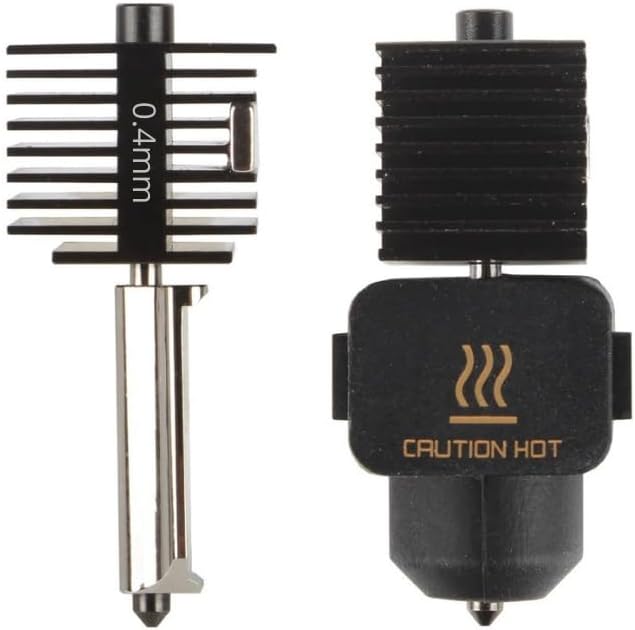
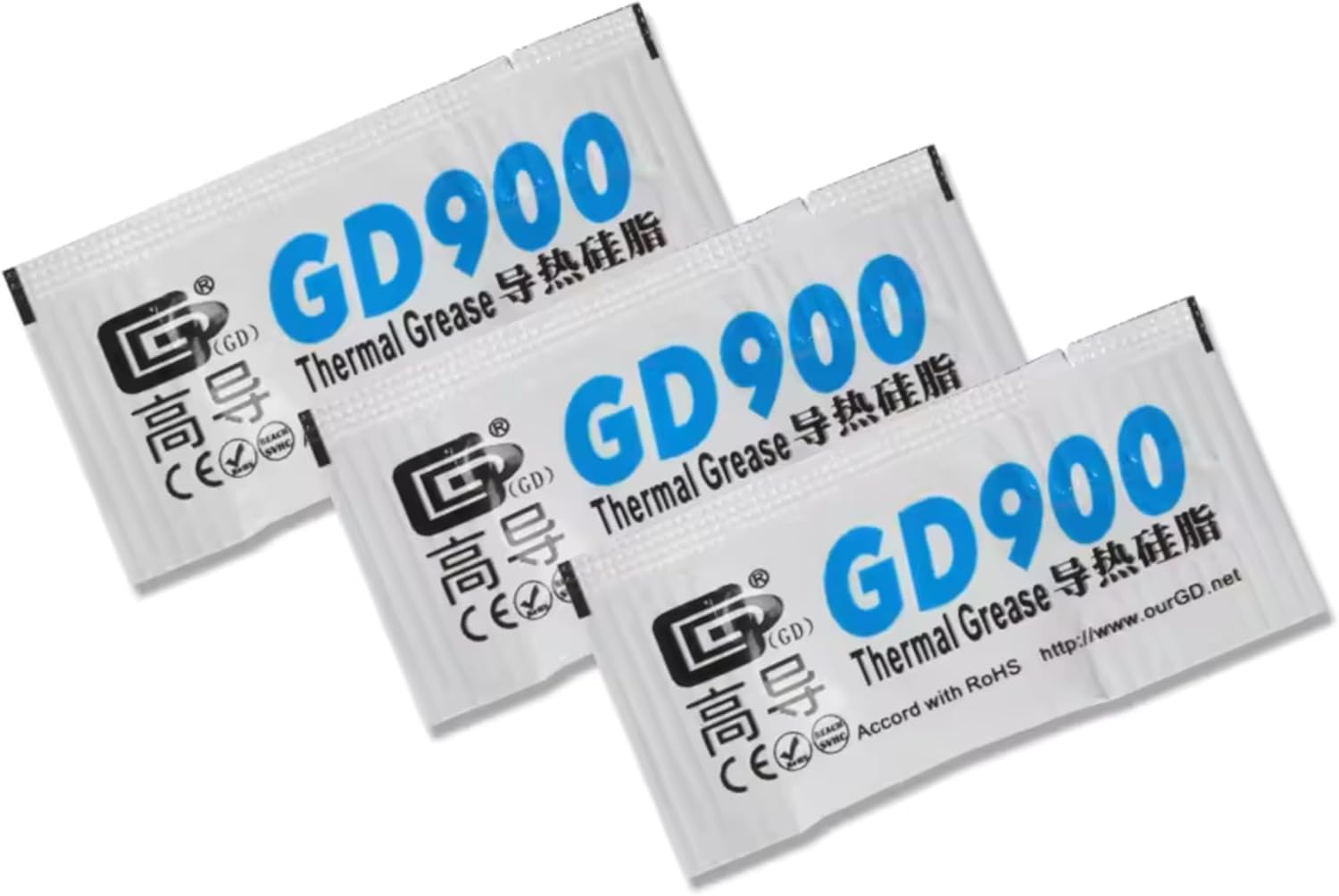
On the Bambu Lab A1 and A1 Mini, the heater cartridge and thermistor live together in a single heating assembly module. If you are replacing the module anyway, fresh thermal paste is part of the job — the Proevove thermal paste 6g syringe has enough for many applications.
- Temperature swings of 5–10 °C during printing.
- Slow heat-up times after a hotend service.
- Thermal runaway errors shortly after disassembly.
- Reapplying during a heater or thermistor replacement is standard.
When to Apply Thermal Paste (And When Not To)
Apply fresh thermal paste any time you remove the heater cartridge or thermistor from the heater block, or when you are installing a replacement heating assembly. The paste costs very little and the performance difference is real.
Do not apply thermal paste where it is not needed. The nozzle, heatbreak, and filament path should never have thermal paste on them — it is not lubricant and will contaminate the melt zone. Only the heater cartridge hole and thermistor hole in the heater block get paste.
- Apply when installing a new heater cartridge or thermistor.
- Apply when installing a replacement heating assembly.
- Never apply to the nozzle, heatbreak, or filament path.
- A thin, even layer is all you need — more paste is not better.
Step-by-Step: Applying Thermal Paste to an A1 / A1 Mini Hotend
Power off the printer and let the hotend cool fully. Remove the front housing and disconnect the heating assembly. Slide the old heating assembly out of the heater block. Wipe the inside of the heater cartridge and thermistor holes in the block with a clean lint-free cloth to remove old paste and debris.
Apply a small amount of Proevove thermal paste to the heater cartridge and thermistor tip — enough to coat thinly, not enough to squeeze out when inserted. Slide the new heating assembly into the block, reconnect the wiring, and refit the front housing. Run a cold pull to verify smooth extrusion before a long print.
- Power off and let the hotend cool fully.
- Remove the heating assembly and clean old paste from the block holes.
- Apply a thin layer of paste to the heater and thermistor tips.
- Reassemble, reconnect, and run a test print.
Common Mistakes to Avoid
Using too much paste is the most common mistake. Excess paste squeezes out around the heater and thermistor and can migrate into the heatbreak or onto the nozzle. A thin, even coat is all you need — about the size of a grain of rice on each contact surface.
Using the wrong type of paste is the second mistake. Some household thermal pastes are not rated for sustained 250 °C+ operation, and they break down over time. The Proevove thermal paste is rated to 300 °C and is stable for long-term use at typical FDM printing temperatures.
- Use a thin layer — more paste is not better.
- Avoid paste that migrates into the heatbreak or filament path.
- Use a paste rated for sustained high temperatures.
- Replace paste every time you swap the heater or thermistor.
Why Use a 3D-Printer-Specific Thermal Paste?
General-purpose thermal pastes work, but they are designed for CPUs that run at 60–90 °C. A 3D printer hotend runs at 200–280 °C for hours at a time. A paste rated for that sustained temperature range will not break down, dry out, or lose thermal conductivity over the life of the hotend.
The Proevove 6g thermal paste syringe is sized for 3D printer work — enough for many heater or thermistor swaps without the waste of a large CPU-sized tube. The syringe applicator puts the paste where you want it without contaminating the rest of the hotend.
Proevove Thermal Paste and Replacement Heating Assembly
Proevove offers a 6g thermal paste syringe and a combined ceramic heater and thermistor module for the Bambu Lab A1 and A1 Mini. Together they cover the most common hotend service jobs: a fresh heating assembly plus the thermal paste to install it correctly.
Both products are available on Amazon India. If you are diagnosing a hotend temperature issue, message us on WhatsApp with the symptoms and your printer model — we can help you decide whether the fix is fresh thermal paste, a new heating assembly, or a full hotend swap.